Understanding Meditation and Stress
Meditation is often described as a mental practice, but its effects reach far beyond thoughts alone. By training attention and awareness, meditation helps the nervous system shift out of a constant state of alert. Over time, this shift can reduce the physical and emotional strain caused by ongoing stress.
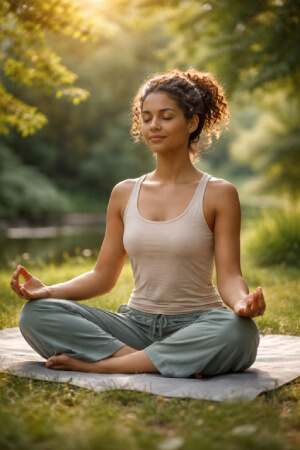
What Stress Does to the Body
When stress becomes chronic, the body remains in a heightened state of readiness. Heart rate increases, muscles tense, and breathing becomes shallow. While this response is useful in emergencies, prolonged activation can lead to fatigue, irritability, and difficulty concentrating.
Meditation supports relaxation by activating the parasympathetic nervous system, which is responsible for rest and recovery. This helps lower heart rate and encourages deeper, more regular breathing patterns.
How Meditation Changes Stress Responses
Meditation does not remove stressful situations, but it changes how the mind reacts to them. Instead of immediately engaging with worry or frustration, practitioners learn to notice thoughts without becoming overwhelmed.
This awareness creates mental distance between a stressful trigger and the emotional reaction to it. With practice, many people find they recover from stress more quickly and feel less consumed by anxious thoughts.
Meditation as a Preventive Practice
Rather than being used only during moments of crisis, meditation works best as a regular habit. Short daily sessions help stabilize mood and improve emotional resilience over time.
By practicing during calm moments, individuals build skills that carry over into stressful situations. This makes meditation a preventive tool rather than just a reaction to pressure.
Why Meditation Is Considered Simple and Fast
One of meditation’s strengths is how little it asks from the practitioner. Unlike many stress-management techniques, it does not rely on complex routines or external tools. Even a few minutes can produce noticeable effects, especially for beginners.
Minimal Time Commitment
Many people assume stress relief requires long sessions, but meditation challenges that belief. Even five to ten minutes can help calm the mind.
Short sessions are easier to maintain, especially for those with demanding schedules. This makes meditation realistic rather than idealistic.
No Special Environment Required
Meditation does not depend on silence or isolation, although those conditions can help. It can be practiced at home, during a break at work, or in other everyday settings.
This adaptability removes a major barrier that often prevents people from trying relaxation techniques.
Quick Physical Feedback
Meditation often produces immediate physical sensations, such as slower breathing or reduced muscle tension. These signals reinforce the practice by showing tangible results.
Feeling calmer after a short session motivates continued use, strengthening meditation’s role as a stress-management tool.
Common Meditation Techniques for Stress Relief
There is no single correct way to meditate, and different approaches suit different personalities. Some methods emphasize breathing, while others focus on observation or gentle mental repetition. The shared goal is to anchor attention and reduce mental overload.
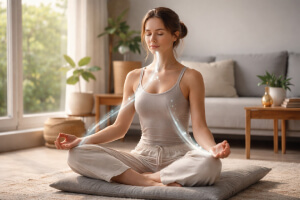
Breathing-Focused Meditation
This technique centers attention on the natural rhythm of breathing. The practitioner observes each inhale and exhale without trying to control it.
When thoughts arise, attention gently returns to the breath. This simple loop trains focus and reduces mental clutter.

Body Scan Meditation
A body scan involves directing attention through different parts of the body, noticing sensations without judgment. This helps identify areas of tension that often go unnoticed.
By acknowledging these sensations, the body gradually relaxes, supporting overall stress reduction.

Mindfulness Meditation
Mindfulness emphasizes present-moment awareness. Thoughts, sounds, and sensations are observed as they come and go.
This approach reduces stress by limiting rumination about the past or worry about the future, grounding attention in what is happening now.
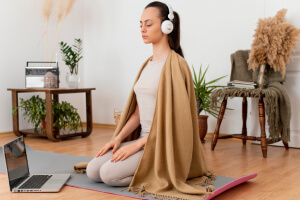
Guided Meditation
Guided sessions involve listening to spoken instructions from a teacher or recording. These can be helpful for beginners who find silence challenging.
Guidance provides structure and reassurance, making it easier to stay engaged during early practice.
Practical Benefits Beyond Stress Reduction
Although stress reduction is usually among the initial motivations for starting to meditate, other benefits often become more prominent over time. It is these kind of effects that enhance the practice and contribute to overall health.
Feelings, selective processing of information, and executive self-awareness are influenced by meditation in support of the user's ability to respond to day-to-day pressures.
- Improve attention span and concentration while working
- Greater emotional intelligence for oneself
- Better sleep and relaxation before bedtime
- Increase patience and tolerance in society
These results gradually develop through regular practice over an extended period of time and not intensity.
How to Start a Meditation Habit
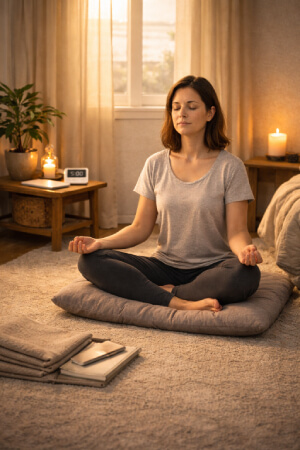
Beginning meditation does not require major preparation, but intention matters. Setting realistic expectations helps prevent frustration and supports consistency. A simple, repeatable routine is more effective than ambitious plans that are difficult to maintain.
Choosing a Time and Place
Selecting a regular time helps turn meditation into a habit. Morning sessions can set a calm tone for the day, while evening sessions support relaxation before sleep.
A consistent place, even if modest, signals the brain that it is time to slow down and focus inward.
Starting Small and Building Gradually
Short sessions reduce resistance and make meditation feel manageable. Starting with a few minutes and increasing slowly prevents burnout.
Progress in meditation is not measured by duration alone, but by consistency and comfort with the practice.
Managing Expectations
Meditation does not eliminate stress instantly or permanently. Some sessions feel calm, while others feel restless.
Accepting these variations helps maintain motivation and prevents discouragement during challenging moments.
Quiet Strength: Why Meditation Works Long Term
It is evidenced by meditation itself that when done gently and without driving personal effort, stress and anxiousness can be significantly alleviated. Meditation is built on the precondition of simplicity and yet has the scope for great depth. Stability could be the tangible result of developing a gentle relationship with stress through daily practice, one moment at a time. These slowly teach the individual steadiness about living.
Meditation is a practice that involves focusing or clearing the mind using various mental and physical techniques. It helps to reduce stress and anxiety. So everyone should do the method of meditation every morning and evening.#SaturdayVibes pic.twitter.com/t3sSczWW3d
— Mansi (@MansiIn77661697) April 19, 2025